Placement geometry and access
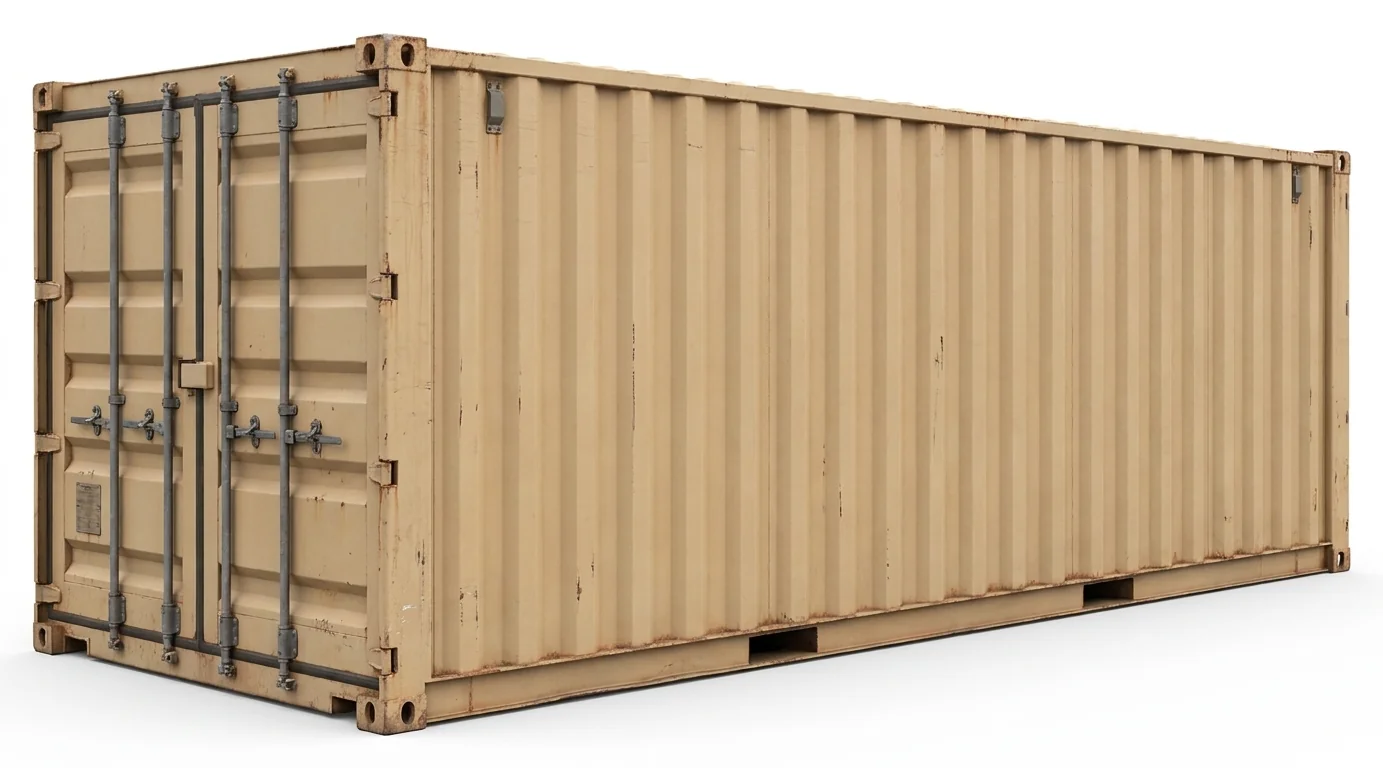
First measure the approach: curb cut width, turning radius, and any overhead lines or canopies. Containers need a stable, level base. Sandy or rain-softened soils can settle unevenly, affecting door alignment. A compact spot near an interior door saves steps but may tighten truck clearance; a yard position eases delivery but increases foot travel and exposure to wind-driven rain.
Questions that narrow the choice: - Will a standard or high-cube profile clear nearby canopies? - Do doors need to face a loading dock or a protected alley? - Is ground firm enough for a full-length footprint without ruts?
Coastal durability and contents protection
Humidity and salt air favor containers with corrosion-resistant coatings and weather-tight seals. For sensitive parts or paper records, plan for desiccant, vents, or interior lining to reduce condensation. After storms, debris around door thresholds can obstruct access; a slightly elevated pad helps drainage and door swing.
Industry-specific considerations
- Healthcare maintenance: segregate clean supplies from tool storage; consider shelving plans and access control.
- Aviation and defense work: allow room for long components and safe tow-paths near aprons; avoid placing doors where they open into lift or tug routes.
- Industrial sites: reinforce the pad where forklifts may load pallets; confirm fork or /forklift-rental/ geometry for pallet placement depth.
Route coordination with other equipment
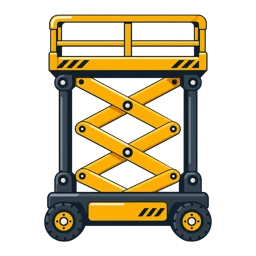
If elevated work is scheduled, keep container doors outside scissor-lift approach zones to avoid conflicts with ramps and guardrails. For rough lots or storm cleanup staging, coordinate positions with /telehandler-rental/ or /rough-terrain-scissor-lift-rental/ so pick points and traffic aisles stay clear.
Measurements to bring
- Exact footprint space and base condition (soil, asphalt, pads)
- Door clearance in front and above, including rain canopies
- Delivery truck approach path, curb-to-corner distances, and gate width
Actual conditions and site procedures govern placement and access.